

SEO in 2026: What will stay the same
Around the turn of the year, search industry media fills up with reviews and predictions. Bold, disruptive ideas steal the spotlight and trigger a sense of FOMO (fear of missing out).
However, sustainable online sales growth doesn’t come from chasing the next big trend. In SEO, what truly matters stays the same.
FOMO is bad for you
We regularly get excited about the next big thing. Each new idea is framed as a disruptive force that will level the playing field.
Real shifts do happen, but they are rare. More often, the promised upheaval fades into a storm in a teacup.
Over the years, search has introduced many innovations that now barely raise an eyebrow. Just a few examples:
- Voice search.
- Universal Search.
- Google Instant.
- The Knowledge Graph.
- HTTPS as a ranking signal.
- RankBrain.
- Mobile-first indexing.
- AMP.
- Featured snippets and zero-click searches.
- E-A-T and E-E-A-T.
- Core Web Vitals.
- Passage indexing.
- AI Overviews.
Some claimed these developments would revolutionize SEO or wipe it out entirely. That never happened.
The latest addition to the SEO hype cycle, LLMs and AI, fits neatly into this list. After the initial upheaval, the excitement has already started to fade.
The benefits of LLMs are clear in some areas, especially coding and software development. AI tools boost efficiency and significantly shorten production cycles.
In organic search, however, their impact remains limited, despite warnings from attention-seeking doomsayers. No AI-driven challenger has captured meaningful search market share.
Beyond ethical concerns about carbon footprint and extreme energy use, accuracy remains the biggest hurdle. Because they rely on unverified inputs, LLM-generated answers often leave users more confused than informed.
AI-driven platforms still depend on crawling the web and using core SEO signals to train models and answer queries. Like any bot, they need servers and content to be accessible and crawlable.
Without strong quality controls, low-quality inputs produce inconsistent and unreliable outputs. This is just one reason why Google’s organic search market share remains close to 90%.
It also explains why Google is likely to remain the dominant force in ecommerce search for the foreseeable future. For now, a critical mass of users will continue to rely on Google as their search engine of choice.
It’s all about data
Fundamentally, it makes little difference whether a business focuses on Google, LLM-based alternatives, or both. All search systems depend on crawled data, and that won’t change.
Fast, reliable, and trustworthy indexing signals sit at the core of every ranking system. Instead of chasing hype, brands and businesses are better served by focusing on two core areas: their customers’ needs and the crawlability of their web platforms.
Customer needs always come first.
Most users do not care whether a provider uses the latest innovation. They care about whether expectations are met and promises are kept. That will not change.
Meeting user expectations will remain a core objective of SEO.
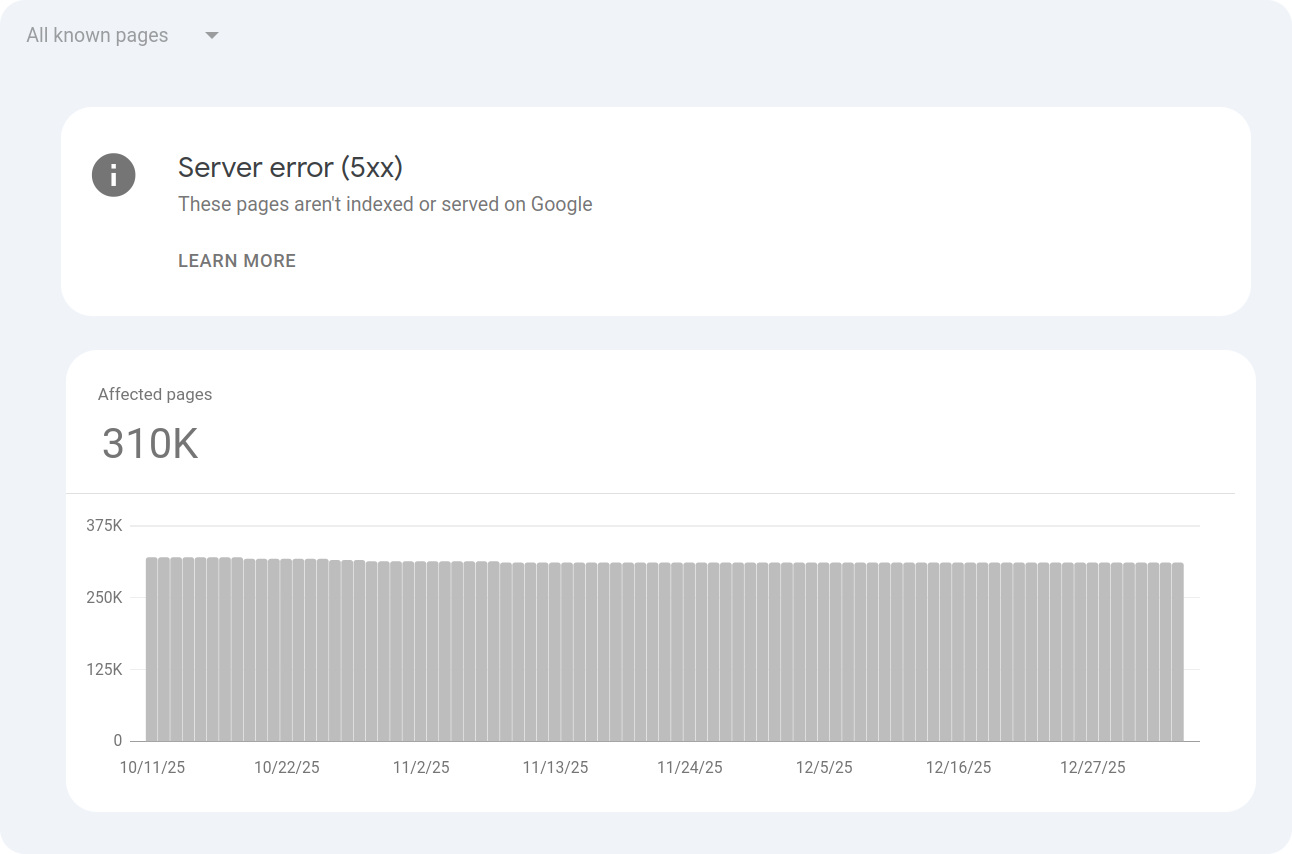
Crawlability is just as critical. A platform that cannot be properly crawled or indexed has no chance in competitive sectors such as retail, travel, marketplaces, news, or affiliate marketing.
Making sure bots can crawl a site, and algorithms can clearly understand the unique value of its content, will remain a key success factor in both SEO and GEO for the foreseeable future.
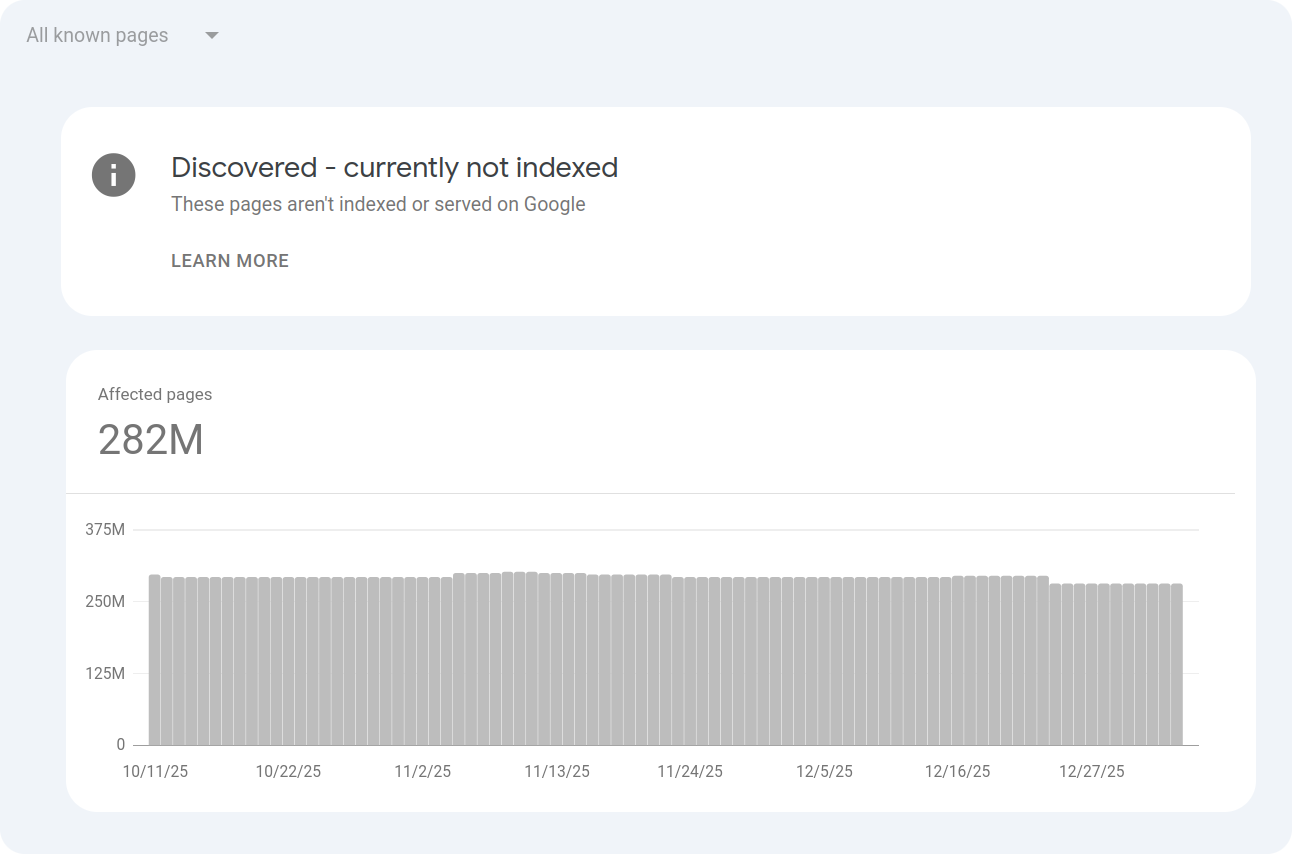
Other factors are unlikely to change as well, including brand recognition, user trust, ease of use, and fast site performance.
These factors have always mattered and will continue to do so. They only support SEO and GEO if a platform can be properly crawled and understood. That is why regular reviews of technical signals are a critical part of a successful online operation.
At the start of a new year, you should resist the fear of missing out on the latest novelty. Following the herd rarely helps anyone stand out.
A better approach is to focus on what is certain to remain consistent in 2026 and beyond.
What to do next
Publishers can breathe a sigh of relief. There is no need to rush into a new tool just because everyone else is. Adopt it if it makes sense, but no tool alone will make a business thrive.
Focus on what you do best and make it even better. Your customers will notice and appreciate it.
At the same time, make sure your web platform is fast and reliable, that your most relevant content is regularly re-crawled, and that bots clearly understand its purpose. These are the SEO and GEO factors that will endure.
Holistic SEO is both an art and a science. While it is far more complex in 2026, it is the unchanging foundational signals that matter most.






Recent Comments